Story Station


ONE DAY IN MAY
Romance

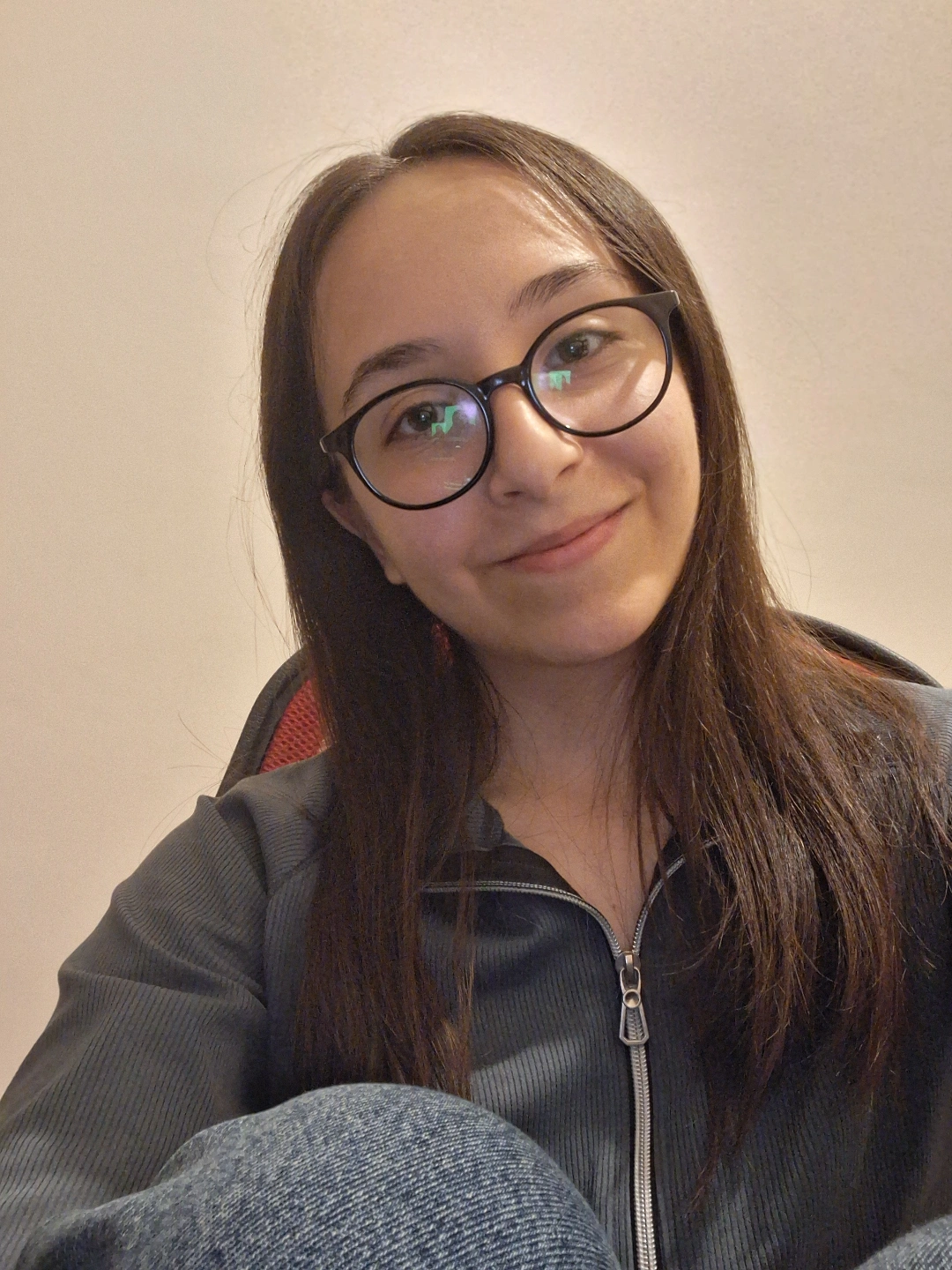
What is it that makes a book truly impressive? Is it the plot, the main idea, or the emotions it evokes? There are some books where the plot is gripping, the theme is striking, and the emotions are intense. However, the most impressive part of this book is actually none of those. The real core of this story is that you are going to meet the protagonist. While reading a book, we often identify with the main character and form a bond with them. Yet, we can never truly encounter or speak with them. Fortunately, this book will not end that way. On a day in May, you will meet her. Perhaps you will go to her side and embrace her, or perhaps you will be content with just watching from a distance. The choice is yours.
Time seemed to stand still in that high-ceilinged classroom, smelling of chalk. The complex physics formulas were just meaningless lines dancing on paper to me. I had the mathematical intelligence everyone admired; I was the second best student in school. However, I felt my soul suffocating between those ice-cold numbers. While watching the trees dance outside, a dream was sprouting inside me. I didn't just want to solve equations; I wanted to capture the hidden rhythm of life and unspoken emotions on paper. But the label of "successful student" sat on my shoulders like a heavy burden.
When school ended, I walked home with this chaos in my mind. The moment I knocked on the door, I was greeted by that cheerful voice that made me forget all the exhaustion of the day. My nine-year-old brother, Mert, opened the door with a huge smile. His admiration for me was evident in his eyes; I was both his elder sister and his hero. "Mısra, look, I’ve made a new drawing! Let’s play together, okay?" he said, pulling at my skirt. Although my heart longed to spend time with him, that disciplined voice inside me whispered. I stroked his head affectionately but said, "I don't have time, Mert, I have a lot of homework to finish," and retreated to my room—my own silent sanctuary. The familiar smells of the food my mother was cooking came from the kitchen, but I had already started to lose myself in the literature assignment on my desk.
The next day, we were in literature class. Bülent Hodja entered the classroom with his usual dignified steps and divided us into groups. Our task was simple yet equally difficult: we were to write a poem together. While my group mates stared at the blank paper and smiled at each other meaninglessly, it felt as if the floodgates of a dam had opened somewhere inside me. Time was running out quickly, and the noise in the classroom was increasing, but words were merging in a silent ceremony in my mind. I couldn't hold back any longer; I grabbed the pen with my trembling fingers and filled that blank paper with the colors of my soul at the last minute. When Bülent Hodja came to us and took the paper, he paused for a moment. His eyes sparkled, a slight smile appeared on his lips, and he read the poem to the whole class, praising me for a long time. At that moment, my heart felt too large for my chest; for the first time in my life, I felt truly "seen."
I returned home with this miracle, with birds fluttering their wings inside me. I went to my mother, who was preparing dinner in the kitchen; I wanted to share my excitement with her. However, before I could even start my sentence, she slammed the lid of the pot shut and turned to me. Her face carried only the endless anxiety of exams and the future. "Stop these useless things, Mısra," she said, her voice filled with ice-cold reality. "Your exams are approaching; your only job is to focus on them. Poetry doesn't put food on the table." My words got stuck in my throat, and my excitement faded like a blown-out candle. When I went to my room and lay on my bed in the dark, I whispered to myself: I was never someone who planned to write, especially not one of those children who dreamed of being a poet. But that day, I couldn't even imagine where my teacher's single praise would lead me.
That night, I fell into a deep, restless sleep with the sound of plates coming from the kitchen and unanswered questions in my mind. In my dream, I saw myself in a very foggy and endless harbor. My father, Onur, was standing on the deck of a massive white ship. He was looking at me, but there was a strangeness in his eyes I had never seen before—as if he belonged to another world. I wanted to run towards him and hold his hand, but my feet wouldn't move, as if they were nailed to the ground. "Dad, why are you leaving? Don't leave me here all alone!" I shouted. My voice echoed through the mist but did not reach him. He only smiled sadly, and the ship slowly disappeared into the fog.
When I woke up in a cold sweat, my pillow soaked with tears, the sun had not yet risen. My room was ice-cold, and that great void in my heart was deeper than ever. There was only one way to ease this ache: writing. I sat at my desk; it was as if I had forgotten all those old poetry rules Bülent Hodja had explained in class, but the words pouring from my soul turned into a rhythm of their own—the ancient sound of aruz. With trembling fingers, I scribbled these lines:
While many did not understand, my chest burned deep within,
Having never seen a warm home, my resentful soul knows no peace,
I was a silent dove wandering across this cold land,
Will I never have a nest to shelter in and weep no more?
When I finished the poem, I slowly placed the pen on the table. I read the words to myself over and over; it felt as if each line was loosening the knot in my soul a little more. For a moment, I forgot my father’s departure on that foggy ship and that sad farewell in my dream. I was focused only on this new world created between the paper and me. An indescribable excitement rose within me. I carefully folded the paper and put it in the most secret compartment of my bag. I couldn't wait to go to school and show these lines to Bülent Hodja. For the first time, my heart was beating not with fear, but with hope.
When I arrived at school, the sky still carried that gray morning sluggishness, but suns had risen inside me. Throughout the lesson, it felt as if I wasn't in the classroom but living among the verses I had written. When the break bell finally rang with its shrill sound, I bolted from my seat. Pressing the paper to my chest, I ran out of breath to the teachers' room, but Bülent Hodja wasn't there. Just as I was about to turn back with a moment of disappointment, I saw him at the end of the corridor.
By the time I reached him, my knees were trembling with excitement and I was out of breath. Without being able to say a word, I held out the paper with my shaking hands. Bülent Hodja looked first at me and then at the paper with his usual dignified and compassionate gaze. As he read the poem, time seemed to slow down for us. While his eyes moved slowly over the lines, a deep sense of peace appeared on his face. He slowly lowered the paper and looked directly into my eyes with his reassuring voice. There was such sincere appreciation in his eyes that, at that moment, all the noise in the world went silent.
Mısra," he said, his voice warming my heart. "This poem is truly wonderful... It’s as if it was written by a master poet. There is only a tiny metrical error (imale) in one spot, but that’s alright; it doesn't spoil this beauty at all. I knew you had a deep interest in literature, but I only learned today that you have such a powerful pen. Never stop writing."
At that moment, it felt as if my feet left the ground. When Bülent Hodja walked away, Didem immediately grabbed my arm and shook me: "Girl, what did you do? The teacher looked at you with such pride! You should have seen the expression in his eyes. When and how did you write these?" I felt my cheeks burning with embarrassment; I lowered my head and whispered to my friend of eight years: "Actually, it all started last night, Didem... The words came like a flood, and I just tried to hold them onto the paper."
After school, that heavy pressure on me seemed to have vanished, replaced by a light breeze. Didem and I went to our usual doner place. Despite the surrounding noise, the honking horns, and the rush of people, we were lost in our own little world. Didem took a large bite of her wrap and continued talking excitedly: "I still can't believe it, Mısra! Did you see the way Bülent Hodja looked at you? He was literally proud of you!" I smiled. For the first time in a long while, I was enjoying not just the feeling of achieving something, but the feeling of being myself. We talked not only about poems but also about the future, our fears, and the ordinary funny moments of the day. Didem’s endless energy was good for my soul.
When I returned home, there was a sense of lightness within me. To avoid hearing my mother's likely reminders about exams in the evening, I went to the kitchen early...
I helped out, and then I slipped into Mert’s room. His eyes lit up when he saw me. "Is your homework finished, sis?" he asked hopefully. Tonight, I wanted to give both him and myself a reward. "It’s finished, Mert. Come on, let’s pop some popcorn; it’s movie night!" Mert was over the moon with joy. We put on his favorite animated movie and curled up under the blanket. While watching that movie, my father’s absence and my mother’s pressure felt like a distant dialogue.
When Mert fell asleep on my lap, I looked at the stars outside the window. I didn't know what tomorrow would bring, but I had more than just a piece of paper in my pocket now; I finally had a voice of my own.
That night, in the colorful world of the animated movie I watched with Mert, we simply fell asleep under the blanket. In the morning, I woke up with a start, not by my mother’s voice but by the sharp sunlight piercing into the room. "Oh no, I'm late!" I muttered, while Mert was still sleeping soundly. I got ready in a rush, grabbed my bag, and threw myself out onto the street. For some reason, we didn't talk about poems or literature at all at school that day. Didem and I sat in the garden and just talked about trivial things, the queue at the canteen, and our weekend plans. Sometimes, just being "Mısra"—stepping away from that heavy literary identity and just laughing—felt so good to me.
When I returned home, I looked at the papers scattered across my desk. Each one was a piece torn from my heart, and their numbers were steadily increasing. As I picked them up and straightened them out, a sense of excitement filled me: "Could these poems become a book one day?" I wondered. But this was just a dream; I didn't have a single penny in my pocket for such a thing. The next day was the weekend, and when I couldn't cope with these thoughts anymore, I decided to go to my aunt’s house. My aunt was the only sanctuary who always understood me and stood by my side against my mother's harsh walls. Perhaps it was finally time to share this secret with her.
Early Saturday morning, I was at my aunt’s door. To me, her house always meant peace and the smell of freshly brewed tea. As soon as I walked in, I hugged her; her familiar, compassionate scent erased all my anxieties for a moment. When we sat across from each other in the living room, my aunt studied my face with her deep and understanding gaze. "Tell me, Mısra," she said with a smile, "there is a spark in your eyes I haven't seen before." I couldn't hold back any longer and told her everything: the verses I wrote throughout the nights, Bülent Hodja's dignified and compassionate support, and the impossible dream of a book growing in my heart... "I want to see my poems on the pages of a book, Auntie," I said, my voice trembling. "But you know, my mother would never allow it. Besides, I don't have the money needed to publish a book. I just write, and those papers are just piling up on my desk." My aunt took my hands and squeezed them tightly.
She remained silent for a while, as if she were laying the stones of a distant plan in her mind. That usual protective and determined expression appeared in her eyes. "You just keep writing, my beautiful girl," she said in a whisper. "Sometimes dreams pass through doors you never expected. We will find a way together, don't worry." At that moment, I didn't know what my aunt was planning, but those words of hers reignited the fire inside me that was about to fade away.
Sunday had settled over our house like a heavy cloud of dust. My mother handed me a cloth at the crack of dawn; together, we began an endless cleaning session. While wiping the windows, I looked out at the empty street, remembering those restless Sunday breakfasts with my father. The rising voices, the broken hopes, and that last look my father gave before slamming the door and leaving... Those memories seemed to emerge from dusty shelves and close in on me. As I worked silently under my mother's harsh orders, I felt as if that poet girl inside me was very far away.
However, when I sat down at my desk in the afternoon, I looked at the calendar and smiled. Tomorrow was Monday! That meant going back to school, laughing with Didem, and most importantly, attending my favorite teacher's class. My heart felt light as I thought about the unique peace I found in Bülent Hodja's lessons; it was as if all the troubles of the outside world would stay behind the door the moment I stepped into the classroom. The literature teacher's love for the subject and his confidence in me were healing the deep wounds my father had left behind. With this excitement, I finished all my homework early. As I packed my books into my bag, I knew that tomorrow would whisper a new verse to me.
When I returned home from school on Monday, I still had that fresh sense of peace from Bülent Hodja's class. I tossed my bag aside and immediately ran to my desk; my mind was set on putting down a few new lines that had gathered throughout the day. But when I entered the room, I froze.
My desk was completely empty. The papers I had written day and night, the ones I had entrusted with my heart, were gone. As my eyes scanned the room in horror, I noticed that Mert had left the window in my room wide open. The curtain was flapping violently in the wind.
"Mom! Where are my papers?" I cried out as I rushed into the kitchen. With her usual coldness, my mother said, "I don’t know, Mısra; Mert was playing in your room, maybe he saw them." When I went to Mert, he pointed toward the window with a guilty expression: "Sis, it was so hot, I opened the window but then they all flew away, I couldn't catch them..."
I ran out to the street with a flicker of hope, looking everywhere, but it was in vain; the wind had taken my verses into the unknown. In that moment, my world collapsed. It felt as if not just my papers, but my voice had flown away too. "This is the end," I whispered to myself. I decided to take a break from writing, to put the pen down. If fate took them from me so easily, perhaps being a poet was simply not meant for me.
That evening, there wasn't just a heavy silence in the house, but the ruins of a post-storm destruction. While the pain of my lost verses grew inside me, I sat at my desk and forced myself to study history—a subject I never liked. Dates, names, and wars were getting mixed up in my mind; my pen moved back and forth on the paper with anger. Mert was looking at me through the crack of the door with embarrassed eyes. I wanted to get angry and shout at him, but when I saw his innocent face, I couldn't bring myself to do it; my anger turned into a deep sadness within me. "They were just papers, Mısra, just forget it," I whispered to myself, but I couldn't.
Just then, my mother entered the room and, seeing my state, spoke with her usual distant tone: "Are you still sulking over those papers? Don't waste your time on useless things; focus on your lesson. If they flew away, they're gone; those poems were of no use to you anyway." These words were the final straw. "They weren't just poems, Mom, they were me!" I shouted. After a short but burning argument, I shut the door and buried myself in my bed. As my tears soaked my pillow, I fell asleep believing that my dreams had vanished in the wind, just like those papers. Behind the door, my mother stood still under the weight of her words, beginning to feel the regret of her harshness for the first time in her life.
The next morning, my mother was sitting alone in the living room, staring into space. The regret of last night’s heavy argument and the tears I had shed could be read on her face. I heard her calling my aunt on the phone. Her voice was lower than usual: "Things are very bad between Mısra and me; she is so distant... You are closer to her, you know what happened. Please talk to her after school, comfort her," she was saying. For the first time, my mother had given in on something and asked someone else for help for my sake.
When I went to my aunt after school, she greeted me with her usual warmth. But this time, she had something very special in her hand: an elegant pen and a pristine notebook with a silky cover. As she handed them to me, she said, "These are your new companions, Mısra. The words in your soul will never end; you must keep writing." My fingers trembled as I touched the notebook. One part of me was still mourning my lost poems, while the other part wanted to take refuge in these new pages. There was a great indecision within me; was it really possible to start over and open my feelings to the papers again after such pain?
A few days later, my aunt appeared at our door with freshly baked cookies in her hand. She and my mother went into the kitchen; the clinking of teaspoons mixed with whispers in low voices. In my room, I was staring at the snow-white pages of that new notebook my aunt had given me, but I couldn't draw even a single line. Then the door opened. My aunt walked in, followed by my mother, who looked embarrassed and teary-eyed for the first time. My aunt sat on the edge of my bed, placing one hand on my shoulder and the other on my mother’s. "Look," she said, turning to my mother, "it is a miracle that this girl fills the deep void left by her father with her own words. Let what is in her heart be free; let those feelings she pours onto paper heal her wounds. This is her only sanctuary."
My mother took a deep breath; that harsh defensive shield had completely dropped for the first time. She came close to me, stroked my hair affectionately, and said in a low voice, "You're right. I won't stand in your way anymore. I didn't think you would be this upset, Mısra. Now, I want to learn how to be proud of you." When I hugged my mother at that moment, it felt as if tons of weight had been lifted off me. My poems might have flown away, but gaining my mother’s support had eased the ache of those lost papers at least a little. As I slept peacefully in my room that evening, I had no idea yet of the great sacrifice my family was preparing for me.
When the weekend arrived, I found myself at a crowded table in our favorite cafe in the city. My mother, my aunt, Mert, and even my best friend Didem were all there. In our family, dining out together like this was an activity reserved only for very special achievements or celebrations. With a sweet curiosity, I scanned everyone around me. "So, what are we celebrating today?" I asked with a smile. "Or is there a holiday I don't know about?" Didem immediately jumped in and said with her usual excitement, "Mısra, you won't believe it, but I got 100 on that math exam I struggled with so much and studied for day and night! We're celebrating that." We all laughed, and congratulations flew through the air, but something was different. I could notice the secret spark in my mother’s and aunt’s eyes, and Mert rubbing his hands together under the table.
As we ate our cakes and sipped our tea, the atmosphere at the table suddenly shifted. Didem's exam grade was actually just a sweet excuse. My aunt pulled a carefully wrapped package with a red ribbon out of her bag. Everyone at the table went silent; every eye was on me. "Mısra," my aunt said, her voice trembling, "the real celebration begins now. This is a gift for your heart and your never-surrendering soul." She held the package out to me. As I began to untie the ribbon with shaking hands, everyone at the table held their breath, watching me. The moment I felt that hard cover inside the package, my heart began to burn with a nameless excitement.
As I pulled that hard object out of the package, everyone at the table held their breath, their eyes fixed on me. When I fully opened the package and saw what I was holding, a loud laugh escaped my lips. "I don't believe it! Did you buy me a book? Thank you so much!" I said, still laughing. While my mother, my aunt, and Didem looked at each other in surprise, I continued: "But I don't understand—we're here because Didem got a 100 on her exam, so why did you buy a gift for me? You should have bought it for Didem!" A momentary silence fell over the table. Everyone seemed frozen, as if they hadn't expected me to give such a naive reaction.
Mert couldn't help but jump in, giggling with his usual mischievous attitude. "Sis, are you seriously that clueless? Look at the book a bit more carefully!" At Mert's warning, I lowered my gaze to the cover of the book. On the glossy cover, written in large letters, was "Mısra Karadağ." In that moment, my world stopped for a second. My smile froze on my face, and my eyes widened in shock. "This... this is my name," I whispered. Beneath it, those first poems torn from my heart were lined up. All those emotions I thought had flown away were now under this cover, on the pages of a real book. As that childish joy on my face gave way to a deep trembling and tears, my fingers wandered shakily over my own name.
As I slowly shook off the shock, my aunt leaned toward the table, took my hand, and began to explain with a smile: "Mısra, when Mert opened the window that day, nothing actually flew away in the wind. we planned everything for you, in secret. Mert gathered the papers, your mother hid them all carefully, and Didem helped me choose our favorites from among the poems. We couldn't bear to let this talent of yours stay hidden only in your room." When my mother joined in, saying, "Forgive me for calling it 'useless work,' my daughter; I only had to act that way so I wouldn't spoil this surprise," the tears in my eyes gave way to a peaceful smile. The moment I processed everything in my mind, we hugged each other around the table so tightly that it felt as if all those past hurts evaporated instantly.
Once I calmed down a bit, I turned to Didem, narrowed my eyes, and asked, "And what about that 100 you got on the exam? Was that a lie too?" Didem burst out laughing, pulled her exam paper out of her bag, and said, "I actually got a 58, Mısra! I told the biggest lie just to get you to the cafe, but I think it was worth it." With Didem’s confession, everyone at the table broke into laughter at the same time. It was hard to believe I had been crying just moments ago; now, among the people I love most, I was starting life anew, breathing in the scent of my own book. In that moment, I realized that true poetry wasn't just on paper—it was in these big-hearted people standing right behind me.
Exactly one week has passed since that miraculous day, but I still find it hard to believe the book sitting on my desk every morning when I wake up. Many times throughout the day, I go and touch that cover, opening the pages one by one and reading my own sentences with admiration. The scent of that fresh paper reminds me every single time that my dreams have come true. However, in a strange way, this happiness didn't make me lazy; on the contrary, it took away the great pressure I felt. Since I no longer have to worry about how to hide my poems or what my mother will say, a huge space has opened up in my mind for my lessons. As exam week approaches, I've found myself more willing to study than ever before.
While I used to get lost only in the dusty pages of literature, I have now started to get high marks in every subject, from history to mathematics. Returning home from school every day with news of a new achievement and seeing that spark of pride in my mother's eyes is an indescribable feeling. I smiled to myself as I showed my grades to Mert. I said this to myself: "I was so focused on my poems that I could only remember my exams and responsibilities thanks to Didem’s sweet lie." It turns out there is a time for everything; my feelings were now safe between those covers, and I was finally free to discover the other colors of life.
As the exam week left us behind, the weather slowly began to warm up, and those sweet breezes heralding the summer started to blow. There was a feverish preparation in every corner of the school; everyone was talking about the big TÜBİTAK project held every year in the school garden. While I was watching this pleasant rush, Bülent Hodja entered the classroom and made an announcement that excited us all in his usual reassuring voice: "Children, we are doing something new this year. You can now participate in TÜBİTAK not only with scientific experiments but also with your literary works and cultural projects." Upon hearing these words, my heart felt like it would leap out of my chest. My book, my emotions could now be presented as a school project!
After school, I practically flew home. When I saw my aunt, my mother, and Mert in the living room, I excitedly shared the news: "I can participate in the TÜBİTAK project with my book!" My mother smiled lovingly, and my aunt encouraged me, saying, "This was the opportunity we were waiting for." I couldn't sleep a wink that night from the excitement. The next day, with the first light of morning, I went to school and immediately ran to Bülent Hodja. Breathless, I said, "Teacher, I'm in! I want to join the project with my book." He placed his hand on my shoulder and looked at me with pride: "This is exactly what I expected from you, Mısra; come on, let’s start the preparations."
As the exam week left us behind, the weather slowly began to warm up, and those sweet breezes heralding the summer started to blow. There was a feverish preparation in every corner of the school; everyone was talking about the big TÜBİTAK project held every year in the school garden. While I was watching this pleasant rush, Bülent Hodja entered the classroom and made an announcement that excited us all in his usual reassuring voice: "Children, we are doing something new this year. You can now participate in TÜBİTAK not only with scientific experiments but also with your literary works and cultural projects." Upon hearing these words, my heart felt like it would leap out of my chest. My book, my emotions could now be presented as a school project!
After school, I practically flew home. When I saw my aunt, my mother, and Mert in the living room, I excitedly shared the news: "I can participate in the TÜBİTAK project with my book!" My mother smiled lovingly, and my aunt encouraged me, saying, "This was the opportunity we were waiting for." I couldn't sleep a wink that night from the excitement. The next day, with the first light of morning, I went to school and immediately ran to Bülent Hodja. Breathless, I said, "Teacher, I'm in! I want to join the project with my book." He placed his hand on my shoulder and looked at me with pride: "This is exactly what I expected from you, Mısra; come on, let’s start the preparations."
Only a few weeks were left until the TÜBİTAK project, and my excitement was at its peak. I decided to take my book to school to discuss the final details of my project with Bülent Hodja. During breaks, I would place the book on my desk and turn the pages with admiration. However, I hadn't noticed that some eyes in the class were gathered on me, especially a girl who always liked being in the spotlight and was watching me with jealousy. When I got home after school, I wanted to hold my book and breathe in that peaceful paper scent, just as I did every evening. I checked every pocket of my bag, turned my desk upside down, but the book was gone! My heart began to pound; a huge lump formed in my throat, and I collapsed where I stood, starting to cry.
I turned the whole house upside down, and my mother and Mert joined me, but the book was nowhere to be found. I couldn't sleep a wink that night. When I went to school the next day, Didem met me at the door; she realized something was wrong from my swollen eyes. When I explained what happened, we immediately rushed to the classroom. We searched under the desks, the lockers, even the trash cans, but it was in vain. "Someone must have taken it, Mısra; it didn't just fly away on its own!" Didem exclaimed. When my helplessness grew, Didem grabbed my arm and said, "This won't do, we must go to Selma Hodja." When I entered the office of our guidance counselor, Ms. Selma, I explained the situation with a trembling voice. I felt as if a piece of my heart had been stolen.
Ms. Selma entered the classroom with total seriousness and scanned the room with her eyes. "Mısra’s book is missing. If someone took it as a joke or put it in their bag by mistake, please take it out immediately," she said. At that moment, I noticed Sude, sitting in the very back row, turning pale and starting to fidget with her fingers. While total silence reigned, Can suddenly stood up from the class: "Teacher, why would we take it? She lost it herself and is blaming us!" he said harshly. Sude just kept her head down. Can’s unnecessary reaction and Sude’s somber state triggered the same thought in both Didem and me. Can had to be hiding something.
After school, Didem and I blocked Can's path. "Can, if the book is with you, please give it back; it’s very important to me," I said. Can angrily threw his bag on the ground, unzipped it, and showed the contents: "Here, look! What would I do with your book? Am I a poet?" Didem jumped in, snapping, "It might not be here, but how do we know it’s not at your house? Why are you reacting so much?" Can yelled, "You guys have lost your minds!" and walked away while we just stared after him. Meanwhile, Sude quickly walked past us. Didem leaned into my ear and whispered, "Did you see? Even Sude was scared of Can's behavior; I think it’s definitely with Can." However, we had no idea yet that the real danger was Sude, who was quietly slipping away.
As I tossed and turned in my bed that night, there was an indescribable emptiness inside me. In the past, I would have burst into sobs, but this time I only felt a deep weariness. I compared the departure of my book to the departure of my father; how accustomed my loved ones were to leaving me. "Perhaps," I thought while watching the shadows on the ceiling, "some things only arrive in order to leave." My poems, just like my father, had abandoned me at the moment I needed them most. I was no longer crying; I simply felt that my soul was exhausted and my words had given up on me.
At the same hours, Didem was stirring up a storm in her own room. She was not intent on accepting things like I was. She was punching pillows in anger, planning what she would do when she found the person who stole that book. Didem had a very special instrument of revenge in mind: her Mathematics book! The heavy, thick book that contained that ill-fated exam where she scored a 58... As Didem imagined catching the culprit and hitting them over the head with that math book, she felt a little relief. "This book brought me a 58, but it’s going to give you the lesson of your life!" she whispered into the darkness. My friend’s loyal rage, though I didn't know it yet, would give us the great energy we needed for tomorrow's search.
During the first break the next day, Didem and I began to follow Can in secret. He went to the canteen and talked with his friends only about match results and computer games. Then he sat in a corner in the backyard and stared blankly into space; he hadn't even taken his bag with him. Watching him, I realized at that moment that there was no room in Can's life for a book, especially not for emotional poems. He was just a boy running away from lessons and rules; he wasn't complex enough to steal my feelings. Just as we were emerging from the shadow of the tree behind him, Can suddenly turned around and noticed us. "You guys are truly crazy!" he shouted, rolling his eyes. "Are you still after me? Leave me alone, I don't have that book!"
Faced with Can's sincere outburst, I completely stopped suspecting him. But Didem had no intention of giving up. She took a step toward Can, reached for that heavy mathematics book in her bag, and asked in a mocking voice, "Can, tell me... do you like math?" As she asked, she gave such a wink that I will never forget the look of bewilderment on Can’s face. While Can stared, completely baffled, I realized what Didem might do with that book she got a 58 on and immediately pulled her by the arm. "Come on, Didem, let's go! It’s not him, just understand," I said, dragging her away. Didem was still looking back, clutching the math book tightly; she hadn't satisfied her grudge yet.
While walking home with Didem after school, we decided to change our strategy. "Being aggressive isn't working, Didem," I said, "this time we're going to beat her at her own game." Just then, we saw Sude walking alone ahead of us. We sped up to catch her and started talking about trivial things as if nothing had happened. Sude was startled at first, but then she acted relieved. At one point, I brought up the book and said with a shrug, "You know, Sude, I don't even care about the book being missing anymore. Those poems are already in my mind anyway." Didem immediately caught on and added with a mocking smile: "Oh, it's not a big deal anyway! Her aunt kept a copy of the book on the computer just in case. We'll just have a new one printed tomorrow, and that'll be that."
Sude suddenly paused, her face turning white. "What do you mean? There was a copy?" she asked, her voice trembling. In that moment, everything became clear; if she hadn't taken the book, she wouldn't have experienced such a great shock. The helpless look of realizing her efforts had gone to waste gave her away. Didem and I looked at each other and smiled; we had found the culprit. On the way home, my aunt called again, waiting for her daily report. "We found her, auntie," I said excitedly, "the expression on Sude's face told us everything." My aunt took a deep breath over the phone: "Do not intervene yourselves. First thing tomorrow, go to Ms. Selma and explain the situation."
With the first light of morning, we were in Ms. Selma's office. When Sude was called in, her shoulders were slumped, and her eyes were filled with fear. Under Ms. Selma’s stern gaze, she confessed everything in one breath: "Teacher, I took the book, but Mehtap forced me! She said that if I didn't take it, she would disgrace me in front of the whole class; she even threatened to spread a lie that I cheated off her, even though she was the one who actually copied from me. I was scared, teacher, please forgive me!" Didem and I just stared at each other. It turned out that Mehtap, the quiet second-best student of the class, had devised such a massive plan. Ms. Selma immediately called for Mehtap.
When Mehtap entered, she didn't look remorseful at all; she pulled my book out of her bag and slammed it down on the desk. "Why, Mehtap? Why did you do such a thing?" I asked, the disappointment clear in my voice. Mehtap answered by looking into my eyes with hatred: "I wanted you to fall short for once, Mısra! Your grades were already always better than mine; you're a step ahead in every exam. You already took the rank of class valedictorian; I’m always left behind you. And with this book, you were going to cast a shadow over me at TÜBİTAK. Everyone would applaud you, and I would be that 'second in the shadows' again. I couldn't let that happen!" What I heard chilled my blood. Her ambition had turned her into someone else entirely. I picked up my book from the desk and pressed it to my chest. What she called a shadow was my light of life, and I wasn't going to let anyone put it out anymore.
When we stepped out of Ms. Selma's office, I could still feel my legs trembling. We stopped in the hallway with Didem and took a deep breath. Ms. Selma had stayed inside; she said she would call Mehtap and Sude's families and that the incident would be brought before the disciplinary board. I was holding my book tightly, as if I were afraid of losing it all over again. "Did you see, Mısra?" Didem said, her voice still full of anger, "Success sometimes blinds people like this. But look, the truth won in the end." At that moment, I only felt pity for Mehtap; I felt sad that she had been desperate enough to believe she could steal my success by stealing a book.
When we returned to the classroom, whispers had already begun to spread. Everyone was curious about what had happened. Bülent Hodja had also been informed of the situation. He came to me at the beginning of the lesson and said, "Mısra, what you went through was very difficult, but I'm glad you got your book back and stood tall. Now, I want you to channel all this energy into our project." That day, we didn't just have a lesson in class; we had actually passed the test of honesty and friendship. While talking to my aunt on the phone after school, my voice sounded stronger. "Auntie, everything is back on track," I said, "My words have returned home." There was no more fear; it was finally time to focus on the big day ahead.
When I retired to my room 그 evening, I placed my book on the most secure corner of my desk. As I stood by the window, watching the trees outside swaying gently in the wind, a wave of regret rose in my mind. When my book was lost, I had compared my poems to my father; I had thought that they, too, had abandoned me. "Did I do an injustice to my poems?" I whispered into the darkness. They hadn't left me; on the contrary, I hadn't trusted them enough. I promised never to betray those words again—the words I wrote with my own hands, which bore the traces of my soul in every line. They weren't the voice of those who leave, like my father, but of those who stay and heal me.
Every time I felt the fresh touch of my book beneath my fingertips, an indescribable joy filled my heart. But there was something even greater than this joy: Didem. If it weren't for her, for her mad courage and unwavering belief, perhaps I would still be crying in the dark right now. I felt like the luckiest person in the world to have a friend like Didem. She had protected not just my secrets, but my hope as well. A new day would begin tomorrow, and I now trusted both myself and the friend who never left me so much more.
The next morning, we went to school feeling much more cheerful than usual. While eating our toasts in the canteen during break, Didem suddenly remembered the events of that day and started laughing. "Mısra, I will never forget the look on Can's face when I said, 'Do you like math?'" she said, bursting into laughter. Just then, Can was walking into the canteen; the moment he saw us—especially when Didem moved her hand toward her bag—he turned around and rushed away as if a giant were chasing him. We laughed for minutes looking at his fear-stricken state. Can was now changing his path whenever he saw Didem; the mathematics book had turned into his greatest nightmare.
Since there was a big teachers' meeting that day, school was declared a half-day. This news was a rare opportunity for us. "Come on," Didem said, "let's not waste time; we need to do the final touches on the project." We immediately went to our house and returned to our little workshop on the balcony. As usual, the table was filled with colorful papers, pens, and ribbons. There was very little time left until the TÜBİTAK exhibition, and we didn't realize how time passed as we carefully prepared each poetry scroll. Being away from the tense atmosphere of the school and alone with just our dreams and our production was very good for both of us.
We practically ran home from school with Didem. After clearing off the desk in my room, we began to set up that grand dream we had been working on for weeks. I proudly placed my book right in the center of the table. Around it, we arranged colorful papers tied with elegant ribbons; these papers contained the short life stories and unforgettable works of the great poets who inspired me and whom I took as role models.
The poetry scrolls inside the tiny glass bottles that Didem had prepared added a fairy-tale atmosphere to the table. My desk was no longer just a workspace; it was a living mini-library. When the preparations were finished, I shouted excitedly, "Mom, Auntie, Mert! Come quickly!" When they all crowded into the room, the expression on their faces made everything worth it. My mother approached the table, picked up a bottled poem with trembling hands, and said, "I hadn't imagined this much; your soul is in every detail, my daughter." My aunt carefully examined every paper and added, "The teachers in charge of the project will love this, Mısra! This isn't just an assignment; it’s a work of art crafted stitch by stitch with effort." Even Mert silently surveyed the table and showed his pride, saying, "Sis, it really looks very cool." Then we all gathered around the table; Mert pulled out his phone, and we took a photo to immortalize this moment of victory. In 그 frame, not just us, but our dreams were smiling too.
The next day at school, I was impatient to show that beautiful photo Mert had taken. During the break, we went to see Bülent Hodja and the other teachers in charge of the project. When they saw the photo, a big smile appeared on all of their faces. One of the supervising teachers said excitedly, "Mısra, you've done a wonderful job! You, Didem, and a few more of your friends should set up this exhibition in the garden in May. I'm sure it will be one of the standout corners of the school." This approval made us very happy. When we returned to the classroom, Didem immediately took charge of the coordination and went to talk to other classmates about who could help us. Just then, Can approached my desk. "I want to help too," he said in a low voice. In surprise, I said, "Why, Can? I thought you weren't very interested in poetry." Can looked at Didem, who was talking to friends in the distance, and smiled slightly: "I'm not interested in the project, Mısra; I'm interested in Didem. I'd appreciate it if you kept this between us." My jaw dropped at this honest confession! As soon as Can walked away, I ran to Didem and pulled her aside.
I explained everything that happened and what Can had said in one breath. Didem didn't seem surprised at all. A sneaky, playful smile appeared at the corners of her lips. "Sure, let him help, of course," Didem said. "He’ll be useful for carrying the heavy boxes, and we’ll have a bit of fun too!" From that mischievous look in Didem’s eyes, I understood that Can’s job wasn't going to be easy at all.
Finally, the big week we had been waiting for arrived! As the TÜBİTAK week began, lessons at school stopped, and the corridors and garden turned into a full-blown festival area. Everyone was in a feverish preparation for their own projects. The night before, together with my mother and Mert, we had carefully placed all the decorations, those tiny bottles, and biography papers into boxes.
Didem's house was right at the beginning of our street; we met at the door early in the morning. We both had huge boxes in our hands and big, tired smiles on our faces. As we walked toward the school, we didn't even feel the weight of the boxes. My aunt was just as excited as we were, but unfortunately, she couldn't be with us today. As a single woman focused on her career, she had a very important job interview today of all days. "I'm so sorry I can't come, Mısra, but my heart is with you. Don't forget to take photos!" she said as she saw me off from home. When we entered the school garden with Didem, we saw that beautiful corner where the wind blew gently. "This is it," Didem said, putting the box down and wiping the sweat from her forehead, "We're going to build the kingdom of your words right here." Knowing that Can would be around here soon was only increasing that sneaky glint in Didem’s eyes.
When we arrived in the garden, Can was already there, his sleeves rolled up and waiting for us. Didem, with the ease of someone carrying nothing, immediately began showering him with commands: "Can, you need to carry that table from the end of the corridor to here, hurry up a bit! Time is running out." Although Can was burdened by the table and drenched in sweat, he did everything Didem said without a second thought. He was both a bit intimidated by her and trying to get into her good graces because of that little crush he harbored deep down. "Okay Didem, I'm coming! The table is very heavy, but I'll handle it," he replied breathlessly. I was struggling to keep myself from laughing while watching their bickering. Finally, the table was set, and we all started opening the boxes and decorating together.
Just then, our close friend Betül, whom Didem had called for help, entered the garden with a huge bouquet of snow-white roses. "Hi guys! Mısra, what do you think about putting these roses on the exhibition table? I thought they would suit the purity of your poems perfectly," she said. Everyone knew my love for flowers, especially white roses; the moment I saw them, my eyes sparkled. "Betül, you're wonderful! I accept immediately," I said, taking the roses and placing them in the most beautiful corner of the table, right next to my book. When the white roses, ribbons, tiny bottles, and the life stories of old poets combined, our table became the most striking corner of the school. Finally, everything was ready; this little world we had prepared was shining brightly in the school garden.
One day before the exhibition was to open to the entire school and the parents, we received a phone call we never expected. My father wanted to meet with Mert and me. Mert immediately agreed with that childlike longing for his father; I didn't want to go, but I couldn't resist my father's persistence and Mert's pleading eyes. Knowing that classes would be canceled the next day and our exhibition corner was already prepared, I didn't go to school at all that day. Instead, early in the morning, I went with Mert to that little cafe where my father was waiting. As soon as Mert saw my father, he hugged him with great excitement. I just said a distant "hello" and slumped into one of the hard chairs in the corner. My father stroked Mert's hair and said, "Shall I order you your favorite strawberry milkshake, my lion?" Mert approved cheerfully.
Then my father turned to me, but the spark in his eyes had faded. "What would you like... Or rather, what do you even like?" he asked. A lump formed in my throat. My father didn't even know what I liked. "Just water," I said in a low voice. With Mert's excitement, the topic eventually turned to tomorrow's big exhibition. Mert, waving his hands, described how I wrote wonderful poems and talked about my big book. My father smiled with a slight mockery while listening to Mert. Turning his gaze to me, he said with an indifferent attitude, "Are you still dealing with such childish things, Mısra? Scribbling poetry won't put food on the table." A stone settled in the middle of my heart.
Now, this man sitting across from me, looking into my eyes with that same hatred, said, "Are you still that pathetic child who thinks she is valuable?" Mert, sitting next to us, was shocked by what he heard; as he looked at that single tear trickling down his sister's face, he was meeting his father's true face for the first time. I swallowed the lump in my throat and stood tall. "And what about you?" I said in a voice that did not tremble. "Are you still the man who is the murderer of my childhood?" My father wasn't expecting this answer; he froze. I wiped my tears and continued: "Couldn't you have acted like a father just for one day? Did you call me here only to hurt me?" I took Mert’s hand and stood up to walk away from that table, that man, and that past forever.
My father, Onur, had never loved me since the day I was born. He had stayed married to my mother only to have a son, and for years, he played the part of a "good father." But on that seventh birthday, when he saw the preparations made just for me and the value I was given, the dark rage inside him overflowed. Even after their divorce, he only met with Mert and called me to his side only to cause me pain. I remained silent all these years so that Mert wouldn't grow up without a father; I swallowed every insult. But today, my father’s arrogance had defeated his patience. When I could no longer bear him humiliating me in front of Mert, the protective shield I had built shattered into pieces.
As Mert and I left the cafe, we left behind a broken but still angry man. I knew that as my father sat there at the table, he was blaming me and was actually only sorry for Mert. In his world, I had never existed, so my loss could never mean anything... Mert was still trembling when we got outside. "Sis," he said, his voice tearful, "why didn't you tell me all these years?" Mert had realized that our father was the murderer of not just my innocence, but his as well. The years-long theater of the fake "good father" had ended with a single insult. Now there was only the two of us, and we walked toward our home, our sanctuary, with the heavy freedom of being rid of that false burden of a father.
When we arrived home, my mother was in the kitchen; we immediately went to Mert's room without making eye contact so she wouldn't notice the trembling in our voices. We had decided to remain silent so as not to upset her or make her tell this wounded story once again. We lay down on Mert's bed, and I murmured one of the fairy tales I used to tell him when he was a child. Meanwhile, I could hear my mother talking to my aunt on the phone in the next room, hearing how excited she was for tomorrow's exhibition. Mert, exhausted by the shock he had experienced, fell asleep in the middle of my story. I covered him gently and went to my own room. The moment I closed the door, that massive weight in my chest exploded. To avoid waking or upsetting anyone, I buried my head in my pillow; I cried, drowning my sobs in the softness of the pillow. I had been doing this for years; whenever my soul ached, I would choke myself and cry silently so that no sound would come out.
Hours had passed by the time my tears dried, but sleep was far away from me. That famous quote I read on the internet crossed my mind: "Girls fall in love with their fathers, and fathers are a girl's first love." As I watched the dark ceiling, a bitter smile spread across my face. "I was never one of those girls," I whispered. My first love was my poems, which never abandoned me. I wasn't in love with a human, but with the depth of emotions and the healing power of words. I had found the value my father never gave me in my own verses. Towards morning, as the storm in my soul left its place to a tired silence, I fell asleep by taking refuge in the big day ahead.
When we arrived home, my mother was in the kitchen; we immediately went to Mert's room without making eye contact so she wouldn't notice the trembling in our voices. We had decided to remain silent so as not to upset her or make her tell this wounded story once again. We lay down on Mert's bed, and I murmured one of the fairy tales I used to tell him when he was a child. Meanwhile, I could hear my mother talking to my aunt on the phone in the next room, hearing how excited she was for tomorrow's exhibition. Mert, exhausted by the shock he had experienced, fell asleep in the middle of my story. I covered him gently and went to my own room. The moment I closed the door, that massive weight in my chest exploded. To avoid waking or upsetting anyone, I buried my head in my pillow; I cried, drowning my sobs in the softness of the pillow. I had been doing this for years; whenever my soul ached, I would choke myself and cry silently so that no sound would come out.
Hours had passed by the time my tears dried, but sleep was far away from me. That famous quote I read on the internet crossed my mind: "Girls fall in love with their fathers, and fathers are a girl's first love." As I watched the dark ceiling, a bitter smile spread across my face. "I was never one of those girls," I whispered. My first love was my poems, which never abandoned me. I wasn't in love with a human, but with the depth of emotions and the healing power of words. I had found the value my father never gave me in my own verses. Towards morning, as the storm in my soul left its place to a tired silence, I fell asleep by taking refuge in the big day ahead.
While Didem was teasing Can and making him sweat as usual, I greeted Betül and immersed myself in the vibrant atmosphere of the garden. As we wandered through the other tables, we got lost among complex mathematical formulas, fermentation samples, and deep philosophical displays. TÜBİTAK was truly rich this year; the garden was overflowing with teachers, duty parents, and excited students. When the start of the exhibition was announced, I immediately found Bülent Hodja and invited him to our table. My eyes were fixed only on him; the comments of the other teachers felt like a distant hum. As Bülent Hodja looked at our table and my book, such a spark of pride shone in his eyes that for a moment, I remembered my father’s hateful, condescending gaze in the cafe. The chasm between that hatred and this pride made my heart ache; a single tear trickled down my face, but I wiped it away before anyone could see.
Just then, I noticed someone in the crowd. They looked neither like a student nor a teacher. They didn't leave the head of our table for even a second, examining me as if they could see into the depths of my soul. There was a strange familiarity in their gaze; it was as if they already knew every pain I had felt, every sob, and every sentence I was currently writing. For a moment, it felt as though they had come from somewhere outside, not from within this fairy tale. At the end of the exhibition, that stranger approached me and gave me a huge hug without saying a word. "Congratulations, you did it," they whispered. I was shocked; before I had time to ask who they were, they vanished into the crowd. They were so mysterious that my mind struggled to hold onto them as a memory; I forgot them within seconds as if that stranger had never been there. But the feeling of that warm embrace had completely wiped away the coldness my father had created.
Page 47
With the sweet exhaustion of the exhibition upon us, we were looking forward to the evening. When evening finally came, my mother, my aunt, Didem, and I took refuge in that cafe we always go to—our own safe fortress. The energy around the table was so high that the heavy scenes I experienced yesterday felt as if they were years in the past. My aunt gave us the good news with her eyes shining: "Girls, my job interview at that big company went great, and I was hired today!" This news sent us over the moon. Combined with my aunt's success and our pride at the exhibition, the cafe practically turned into a celebration.
My mother looked at us with a peace I hadn't seen on her face in a long time and said, "Today, we aren't just celebrating a project or a job, but our bond with one each other. You have proven once again that we can achieve anything together." Our laughter mingled as Didem excitedly recounted the funny moments from the exhibition and how Can protected the table like a soldier. My aunt took my hand and whispered, "Mısra, your pen touched many hearts today. This is only the beginning." That evening in that cafe, we celebrated not just the successes we had won, but friendship, labor, and the strength of a family rising from its ashes. My father’s absence was no longer a void, but a symbol of freedom for us.
After the exhibition ended, the hectic atmosphere of the school gave way to a stagnant pace. Lessons had started again, but there was only one thing on our minds: the ruthless flow of time. These few weeks had been one of the strangest periods of my life. Can was no longer hiding that protective attitude he had displayed throughout the exhibition. The chemistry between him and Didem had become almost tangible at our table in the school canteen. Can would respond to Didem's every joke with that shy but sincere smile, while Didem, with her usual mischievous glint, would sweetly provoke him. Seeing them so close warmed my heart, but at the same time, it deepened the ache inside me.
Whether we were spending time in the school garden, the canteen, or the library, our laughter was never missing. However, whenever silence fell, our gazes would drop to the ground. Because we knew; these jokes, these shared bagels, our steps in these school corridors were numbered. The day Didem would leave for Antalya was approaching like a giant black stain on the calendar. Sometimes Can looked at Didem as if he wanted to seal her here with his gaze. I, with my best friend on one side and our loyal friend on the other, was trying to engrave every moment of these final weeks into my memory. The question "Can't you just stay?" would come to the tip of my tongue, but I kept quiet so as not to ruin Didem's cheerful demeanor of acting as if she weren't going.
When the weekend came, we took refuge by the seaside, in the sound of the waves. The sky was grayer than usual that day. As Didem threw the stone in her hand into the sea, she took off her mask for the first time. "You know, Mısra," she said, her voice trembling, "I hate leaving. Even the sun of Antalya won't take the place of these rainy roads we walked together." Her eyes were filled with tears. But she immediately took a deep breath, turned to me, and held my hands: "But let's promise; we won't end the final days by crying, but with the most beautiful memories. We won't remember the day I left, but the days we stayed." I remained silent, just nodding my head. We postponed our pain by making a promise to each other.
In the evening, we met at Didem's house. We bought our favorite snacks, got under the blanket, and put on an old comedy movie. Everything felt normal as our laughter filled the room. However, when the movie ended and we lay in bed, the truth winked at me from the darkness. My eyes caught the boxes under the bed and the empty shelves in the bookcase. The soul of the room had been packed away bit by bit. Didem's house, that sanctuary we shared, had now turned into a journey station. My heart tightened, and I wanted to cry hysterically looking at those empty boxes. But when I looked at Didem, I realized she was staring at the ceiling to avoid seeing those boxes too. I kept the promise I made; I swallowed, smiled, and hugged her tighter without saying a word.
On Sunday morning, despite the bright sunlight filtering into the house, I woke up with a persistent heaviness in my chest. My mother, Mert, and I were in our usual spots at the breakfast table, but the usual cheer had been replaced by a restless silence. As the steam from the tea drifted through the air, the reality of Didem’s departure settled in my heart once again like a massive stone. "There’s very little time left before Didem leaves; the countdown has truly started," I whispered, playing with the olives on my plate. Hearing the tremble in my voice, my mother reached out and held my hand tenderly; Mert, without saying a word, moved closer to my chair and hugged me. They shared my sorrow not just with words, but with their warm presence, trying to comfort me.
After breakfast, I drifted away from the peaceful crowd of the house and retreated to my room, my own sanctuary. I sat at my desk and tried to focus on my homework to distract my mind; however, every time my pen moved, it felt as though it wanted to write Didem's name. I stopped for a moment and looked at the calendar; there were only two weeks left. Two weeks later, we would receive our report cards. That report card day, which I normally anticipated as a victory celebration, was now only the harbinger of thousands of kilometers and silent farewells that would come between Didem and me. It hurt that time was passing so ruthlessly fast, as if it wanted to steal something from me. Even the lines between my homework felt sorrowful...
I could feel it.
I saw Didem and Can walking side by side in the school corridor, which was slowly beginning to empty, with memories hanging in every corner. Their steps were heavy, and their silence was deeper than ever. Didem stopped for a moment, took a deep breath, and looking into Can’s eyes, voiced the inevitable truth: "You know, right Can? I’m leaving... But I will never forget you. You are truly a very good friend." Her voice was so sincere and misty that the air in the corridor suddenly grew heavy, and a wind of farewell began to blow between the two of them. In the face of Didem’s emotional outburst, a momentary flash of pain appeared in Can’s eyes, but he immediately put on his usual cheerful mask so as not to upset her.
Can, placing a fake sense of relief on his face, said, "Wow! So you're saying my life is finally out of danger and you're saying goodbye to that math book, huh? It would be a lie to say I'm not happy. That math book still winks at me in my dreams." Didem paused in surprise at this unexpected answer, then pushed Can hard by the shoulder with her famous sneaky smile. "Get out of here! Who are you to talk about the math book? At least that book is useful for something!" she snapped back. As their laughter echoed off the walls of the empty corridor, the great sorrow hidden beneath this cheerful bickering continued to remain as a fine ache in both of their hearts.
Page 52
The days seemed to move even faster just to spite me as I begged them to stop. It angered me that the calendar pages fell so recklessly and that time was stealing something from me. Because Didem’s father’s relocation was finalized, they had entered a path of no return. Every time I went to visit her, it hurt to see that house—once our warm sanctuary—transform into a shipping area where boxes were piled on top of each other. I could see the silent acceptance on Didem's shoulders as she wrapped kitchenware in newspapers with her family. Everything was ready now; only empty walls and sad memories remained.
If I couldn't slow this speed down, I had to freeze those moments. That evening, I locked myself in my room and had all our photos with Didem printed out one by one. I had every frame in my hand, from the first day of school to the moment of our exhibition. I carefully placed them all into a stylish folder to give to her on report card day. That folder didn't just consist of papers; I had fit our childhood and our unwavering bond into it. Two weeks later, when that big day arrived, I was going to give her not just a certificate of achievement, but a piece of my heart.
When report card day arrived, even the sky seemed ready to weep with us. In the school garden, which was usually overflowing with joy, Didem and I stood side by side one last time and took our final photos; we tried to smile, but the deep sorrow in our eyes seeped into every frame. Didem also said a brief goodbye to Can; the joking Can was gone, replaced by a silent and devastated boy. When the ceremony began, we went up to the stage to receive our Certificates of Appreciation and Honor. While the applause rose, we just squeezed each other's hands; this success felt meaningless now. When the ceremony ended, Didem's family car was waiting for her at the school gate. When that moment came, we painfully broke the promise we had made for days not to cry. We hugged each other so tightly it felt as though she couldn't leave if we didn't let go. Our sobs mingled with the sounds of the crowd. Didem forced herself into the car, waving to me from behind the glass as she drove away. I remained frozen in place until that car disappeared from sight.
When I returned home, the silence in my room was deafening. I sat at my desk, and as my tears dripped onto the paper, I wrote one last poem for Didem; I told of her departure, my feeling of incompleteness, and our unending friendship. I folded the poem and hid it inside that tiny, colorful knitted pencil case Didem had made for me by hand and gifted me years ago. That pencil case no longer just carried my pens; it carried the heaviest ache of my heart and my most beautiful memory. That day, it wasn't just my best friend who left; half of my childhood drove away with that car.
Page 54
When the silence at home began to weigh on me following Didem's departure, my mother and Mert wanted to take me away from there. That evening, we all went to my aunt's house together. Even the unique, peaceful scent of cinnamon in my aunt's house wasn't enough to calm the storm inside me. While my mother and the others talked inside, I took refuge by my aunt's side. Pouring my heart out to her and talking about the giant hole Didem's absence had left in my heart allowed me to breathe a little. My aunt held my hands and said, "Some farewells are the beginning of even greater reunions, Mısra." I felt a bit soothed and safer with her consolation.
When we returned home at night, I lay in bed with my eyes swollen from exhaustion and crying. When I fell asleep, I found myself in that exhibition area in the school garden. Everywhere was covered in a strange, translucent mist. In the distance, a silhouette appeared near the poems on the table and my book, which was essentially my heart; it was that mysterious woman I had seen on the day of the exhibition. She didn't take a single step toward me; she just watched me from afar with those deep, sad eyes. It was as if there were things in her eyes she wanted to tell me but couldn't put into words. I wanted to walk toward her and shout, "Who are you?" but my voice echoed off the school walls and vanished. The woman just smiled slightly and turned around, disappearing into the mist without saying a word. When I woke up drenched in sweat, my heart was pounding with the secret in that woman's gaze.
When I woke up in a cold sweat, staring at the dim light on my room's ceiling, I tried to calm the rhythm of my heart. The gaze of that mysterious woman in the mist was still upon me. However, another image surfaced from the depths of my mind; I had seen her in my dreams before. But that dream, unlike this one, was not misty or cold. In that dream, the woman had approached me and embraced me so warmly, so sincerely, that I was filled with a sense of security I hadn't felt even in the real world. On one hand, a sad stranger watching from a distance; on the other, that peaceful embrace wrapping me in tenderness...
I sat up in bed and looked out the window at the breaking dawn. I couldn't help but ask myself; if that woman existed beyond my dreams, in real life, I wonder which dream she would act like. When we met, would she greet me again with those distant and mysterious eyes, or with that warm hug that heals my soul? As reality and dreams blurred together, I wondered who this woman really was and why she had seeped into the center of my life—into my dreams—exactly at the time of Didem's departure. Perhaps my heart was trying to complete a missing piece with this face I didn't know at all.
When I asked you what makes a book impressive, I thought it was a simple question; I characterized it as an ordinary curiosity to be answered without much thought. But that question brought us all the way here, grew page by page, and seeped into every line of our story. Now, I come to you with a different kind of question.
The answer you give to this question will determine the end of not just Mısra’s story, but this entire narrative; perhaps it will even shape your own future behaviors and the reactions you give toward life. Some questions are asked not just to be answered, but to choose a path. Mısra has prepared two different endings for herself in her dreams; both are powerful enough to be her own reality, and both are equally mysterious. However, only one single ending will be written for this story, and when that day comes, on a day in May, this choice will belong entirely to you.
Should you leave Mısra in that misty school garden with the secret of the mysterious woman watching her from afar, or should you reunite her with the peace of a warm embrace, as in her other dream? The final sentence of this story will be composed not by me, but by you. The decision you make will seal the last page of the book in Mısra’s heart.
Page 57
There was a promise I made to you, and I have already fulfilled it silently. Those among you who noticed this fine detail have already met the main character in real life. Those who didn't notice can go back to the beginning of the book or wait for that famous day in May. If you have read this far, I hope you have come to love Mısra. I thank you for being a partner in this little story of mine and offer my gratitude with all my heart.
 2
2
 180
180

Here, kudos to the
writers!